
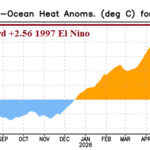
Near Strong Oceanic El Nino Threshold
06/30/2026, 6:01 am EDT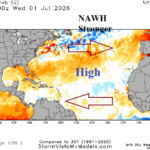
Strengthening NAWH Is Factor Increasing Trade Winds in Tropics
07/02/2026, 8:46 am EDT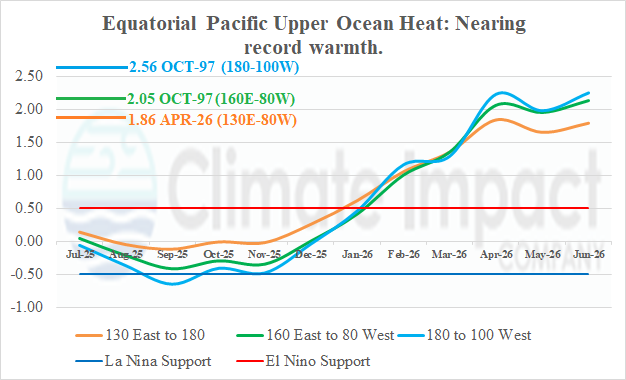

Climate Impact Company Early U.S. Notes
Issued: Wednesday July 1, 2026
Highlight: Midwest to Northeast/Mid-Atlantic heatwave strengthens.
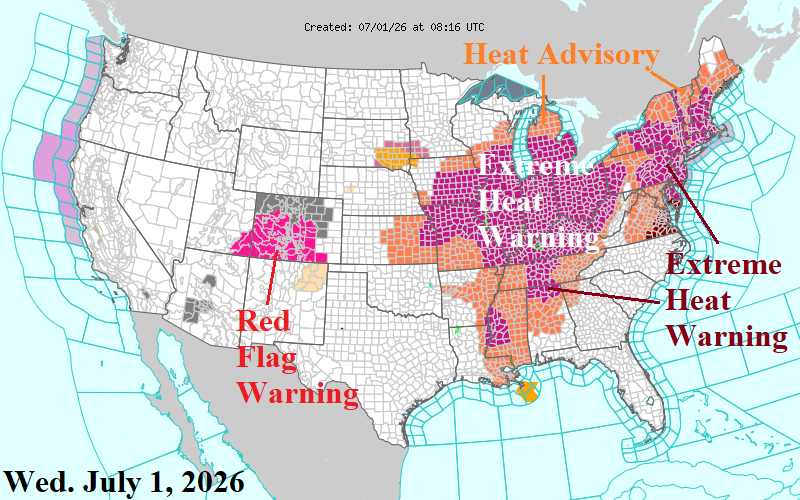
Fig. 1: NOAA/NWS weather watch, warnings, and advisories.
Discussion: Excessive Heat Warnings cover the Midwest and Northeast Corridor this morning and will last through tomorrow Midwest and Saturday in the East (Fig. 1). The PJM-East heatwave subsides early next week settling to near normal July 8-15 (Fig. 2). Strong to severe thunderstorms help to ease the heat extending from the Upper Midwest to New England today (Fig. 3), The Western Corn Belt tomorrow (Fig. 4), and an upgrade to severe expected Midwest to Mid-Atlantic on Friday (Fig. 5). The U.S. population weight CDD forecast is slightly less hot next week putting CDD’s just below the peaks of the past 10 years observed in 2022 and 2016 (Fig. 6). The week 3-5 CDD forecast continues to indicate a drastic difference between hot ECM projections and temperate AI forecasts (Fig. 7). So far during meteorological summer 2026, only 2 weeks have produced spiking CDD and 2 more are likely to follow into mid-July (Fig. 8). Upper ocean heat observations for June 2026 reveal record warmth in the equatorial Pacific region with waters east of the Dateline getting close to the record observed during the all-time strongest El Nino in 1997 (Fig. 9). Fuel to accelerate El Nino 2026-27 to record levels is clearly present.
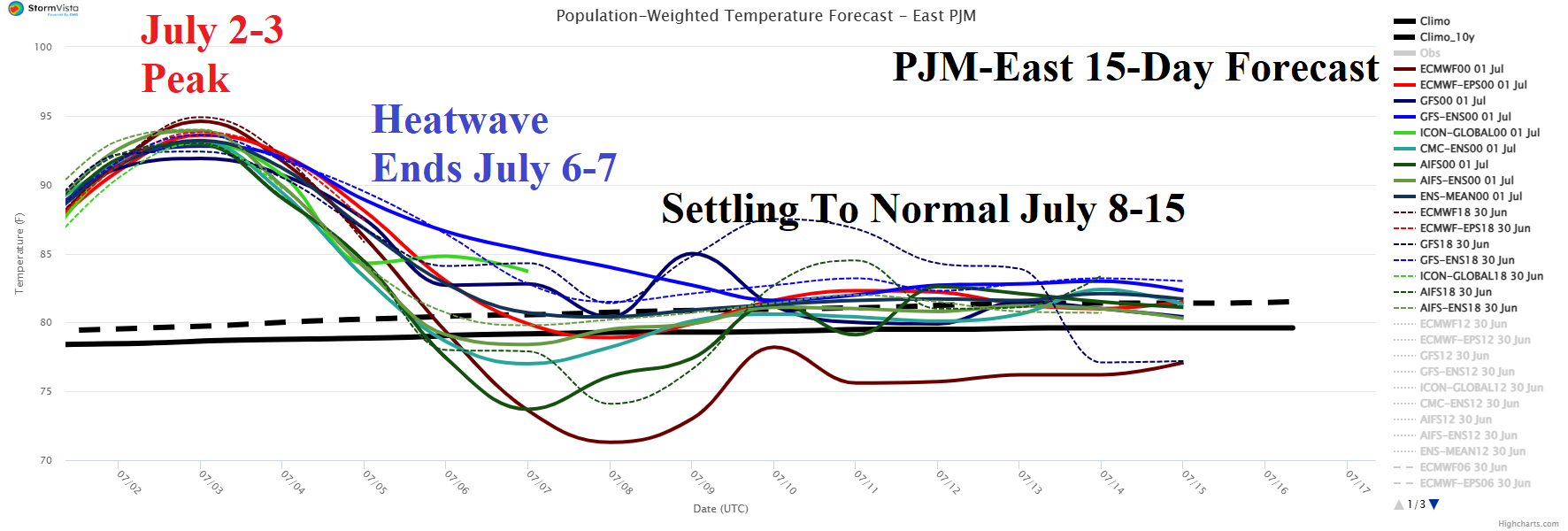
Fig. 2: PJM-East 15-day daily population weight average temperature forecast.
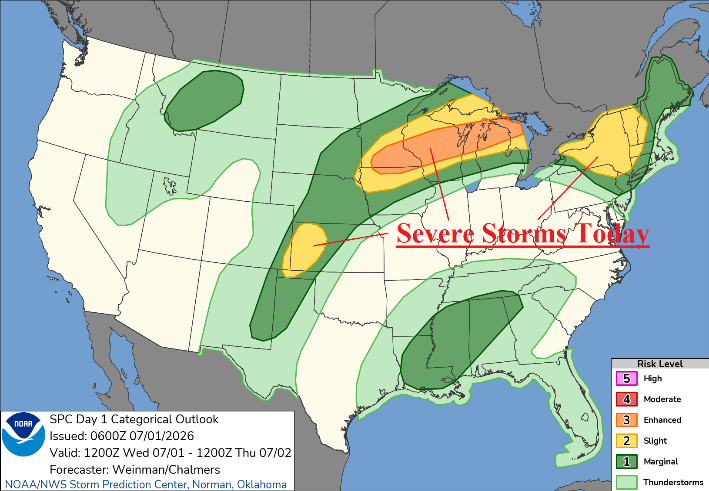
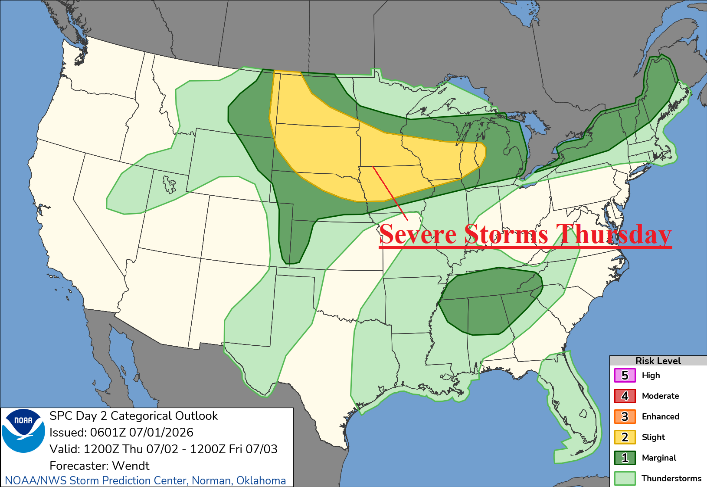
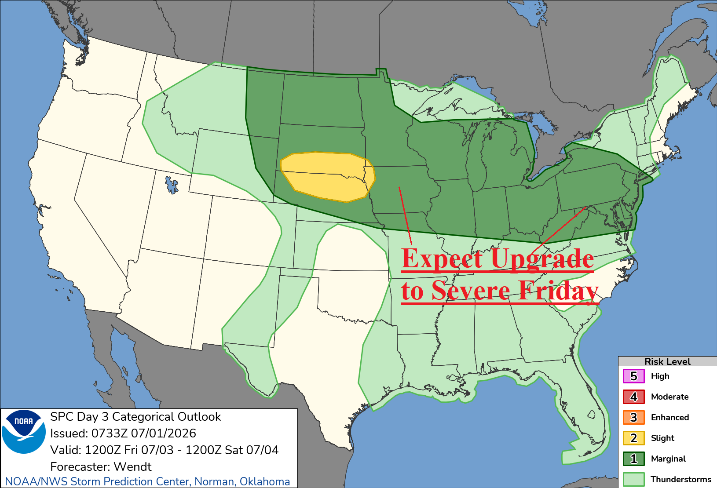
Fig. 3-5: NOAA/SPC severe weather risk areas today through Friday.
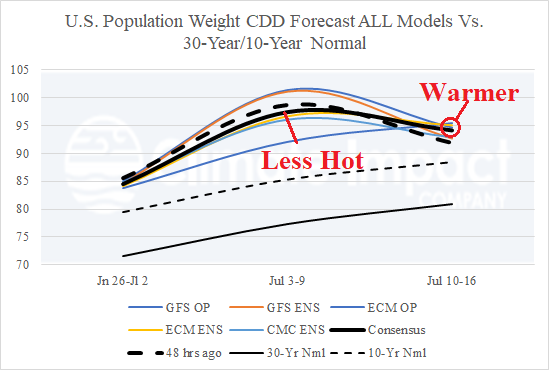
Fig. 6: The U.S. population weight CDD forecast for the U.S. utilizing all models, their consensus, and comparison with 48 hours ago and the 10-year/30-year climatology.
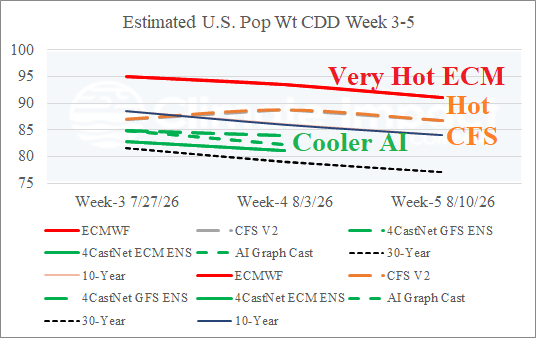
Fig. 7: Climate Impact Company projects U.S. weekly CDD utilizing ECM, CFS, and 3 AI models.
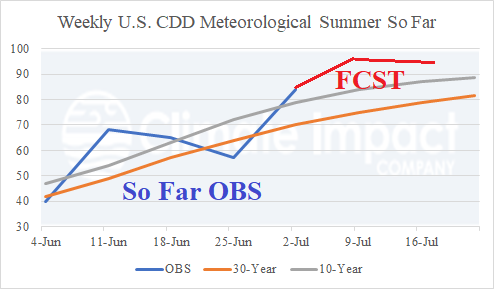
Fig. 8: Tracking U.S. population weight CDD so far during meteorological summer 2026.
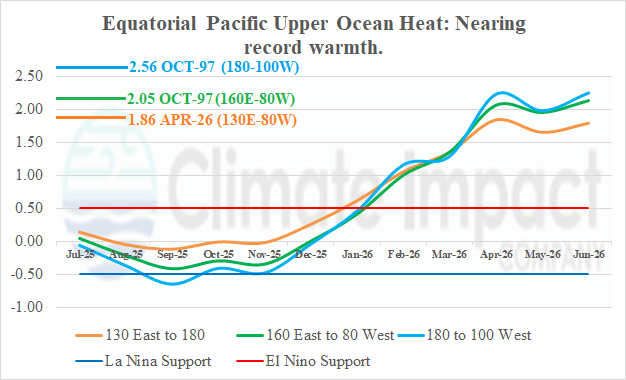
Fig. 9: Upper ocean heat indices for the equatorial Pacific Ocean have exceeded or close to all-time records during June 2026.