
AI Research: Check On 2-Meter Temperature Forecast Skill Scores for NA, EU, SA, and AU Past 30 Days
03/24/2026, 12:27 pm EDT
ENSO Remains Neutral; Subsurface is Bubbling Hot!
03/30/2026, 1:52 pm EDT
Climate Impact Company IOD Outlook
Issued: Thursday, March 26, 2026
Headline: Moderate-to-strong +IOD forecast to emerge with similarly intense El Nino mid-to-late 2026.
Executive summary: Although remaining within the ENSO prediction barrier (EPB) strongest during MAR/APR, most dynamic models are projecting a moderate-to-strong El Nino to emerge mid-to-late 2026. Coinciding with the strong El Nino, is a projection of positive phase Indian Ocean dipole. Both the Nino34 SSTA and IOD are currently neutral which is why the EPB is mentioned. Evolution of +IOD is forecast to run parallel with El Nino development during Q2/2026. El Nino and +IOD are known to produce a drier climate in Australia although the +IOD/El Nino combination for the 1997-98 and 2023-24 episodes were dry climate producers for primarily the East Coast of Australia.
Discussion: Dynamic models are forecasting a moderate-to-strong intensity El Nino for mid-to-late 2026. The Predictive Ocean-Atmosphere Model for Australia (POAMA) Relative Nino34 SSTA index forecast is particularly intense (Fig. 1). During El Nino, trade winds across Maritime Continent to the eastern Indian Ocean increase causing surface water to cool. Similar with the eastern equatorial Pacific lack of trade winds and warming ocean surface due to El Nino, the western equatorial Indian Ocean also loses trade wind flow and waters shift to warmer than normal. The warm SSTA in the western equatorial Indian Ocean compared to cooler SSTA in the eastern South Indian Ocean tropics indicates presence of positive Indian Ocean dipole (+IOD). POAMA projects +IOD for Q2 and Q3 of 2026 (Fig. 2). During this decade, IOD has been unusually chaotic with back and forth strong negative and positive phase (Fig. 3). A strong +IOD during 2026 certainly fits a continuation of that pattern. Although +IOD was developing earlier in 2026, recently, a return to negative phase generated. The return to neutral IOD coincides with ongoing neutral ENSO. +IOD evolution should run parallel to El Nino development during Q2/2026. The Climate Impact Company constructed analog forecast which identifies similar 12-month regression for the past 30 years identify the following analog years for 2026: 2025, 2023, 2017, 2011, 1999, and 1997. Collectively, the consensus of the analog years indicates neutral phase for 2026 (Fig. 4). However, the analogs with strong El Nino presence (2023 and 1999) each produced strong +IOD (stronger than the POAMA forecast). +IOD and El Nino are known as dry climate producers across Australia. However, as shown with the JUL-23 to FEB-24 and JUL-97 to FEB-98 El Nino/+IOD episodes, the strong dryness is primarily on the East and Northwest Coast of Australia while the North and Northeast Coast is wet (Fig. 5-6).
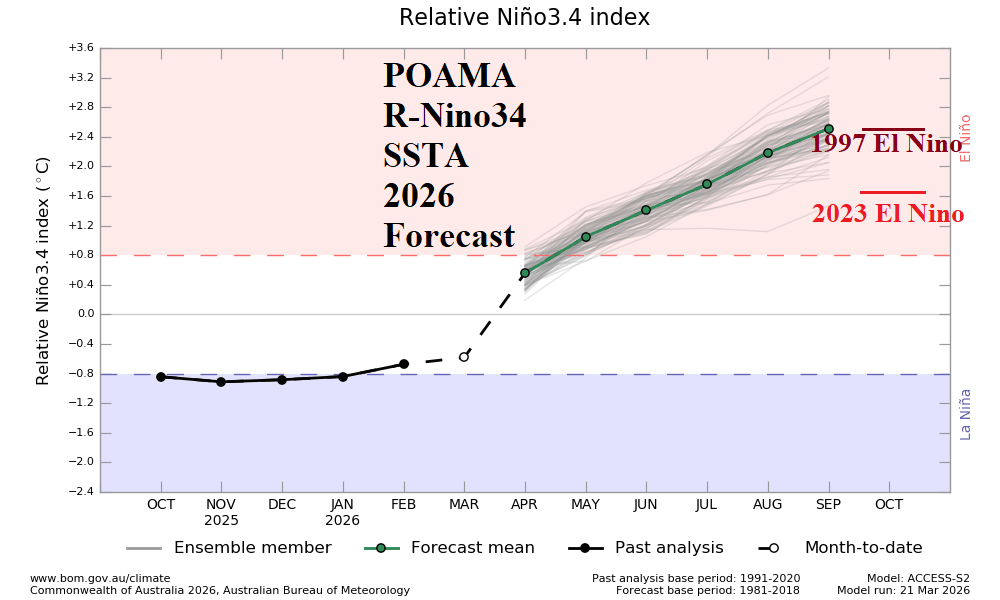
Fig. 1: The Predictive Atmosphere-Ocean Model for Australia relative Nino34 SSTA forecast.
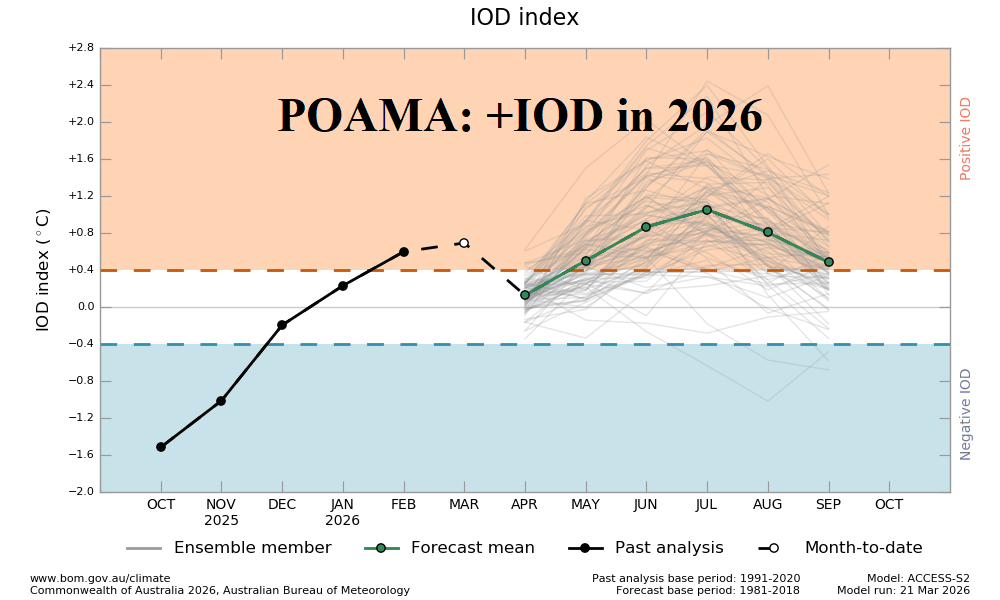
Fig. 2: The Predictive Atmosphere-Ocean Model for Australia Indian Ocean dipole forecast.
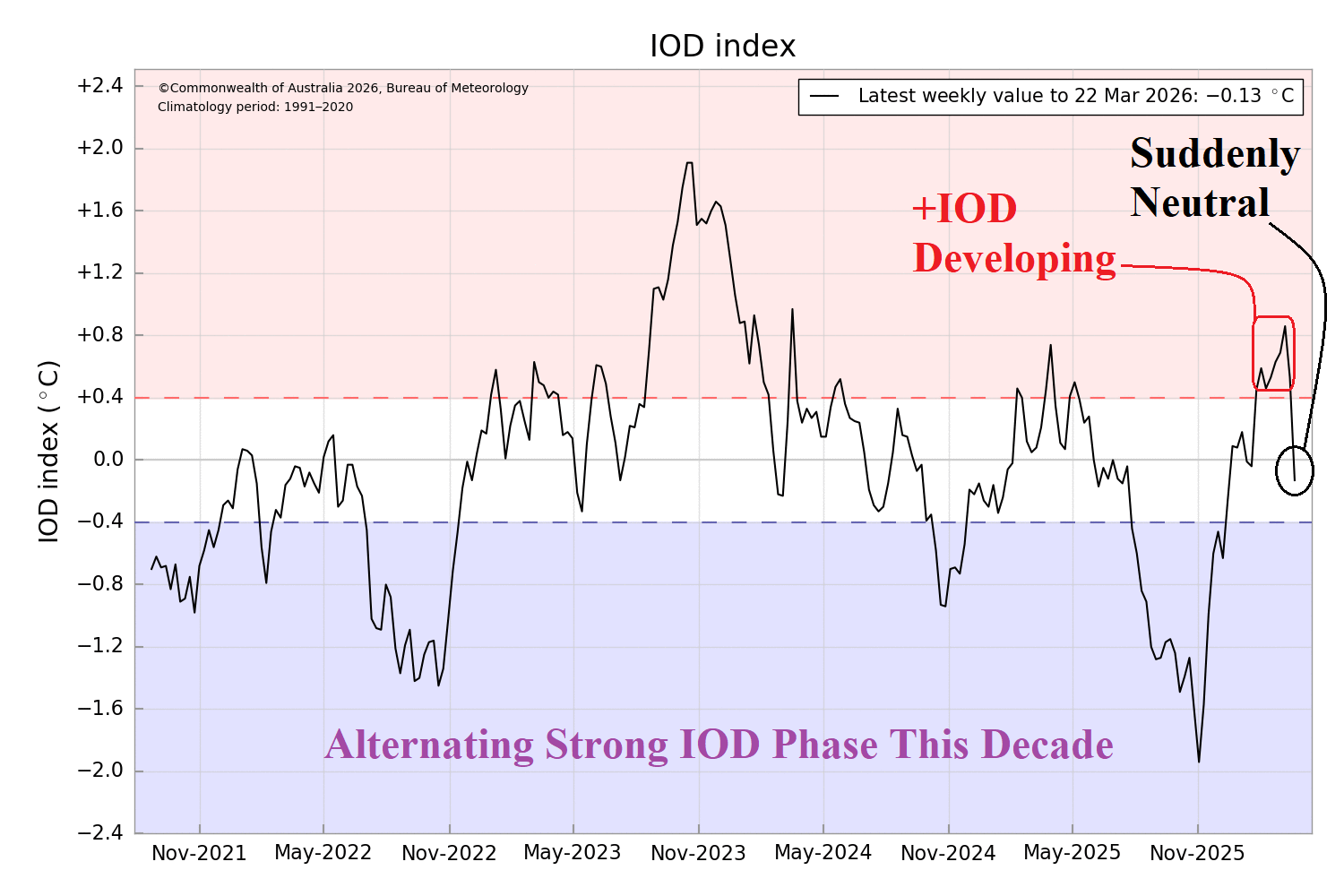
Fig. 3: Monthly IOD index observations for 2021-26.
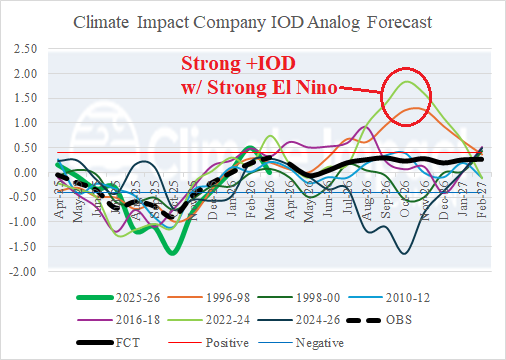
Fig. 4: The Climate Impact Company constructed analog IOD forecast through FEB-27.
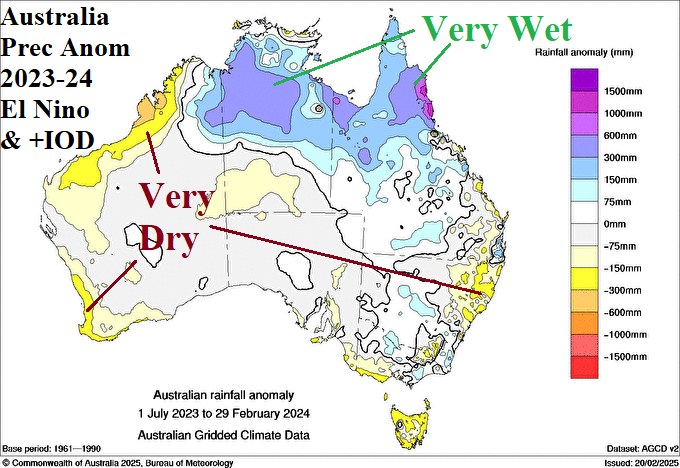
Fig. 5: Australia rainfall anomalies JUL-23 to FEB-24 during a strong El Nino/+IOD regime.
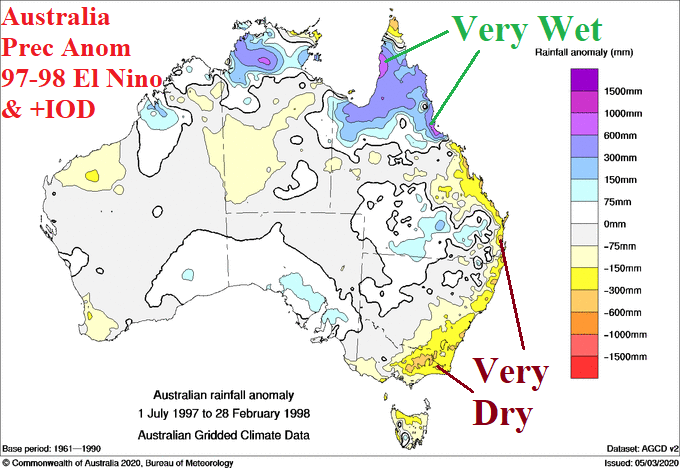
Fig. 6: Australia rainfall anomalies JUL-97 to FEB-98 during a strong El Nino/+IOD regime.