
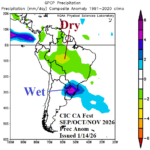
An El Nino South America Climate to Develop in 2026!
01/14/2026, 4:12 am EST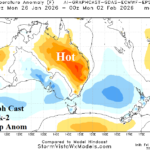
Shifting MJO Delivers Hot/Dry Changes to East Australia Late JAN/Early FEB
01/16/2026, 10:26 am EST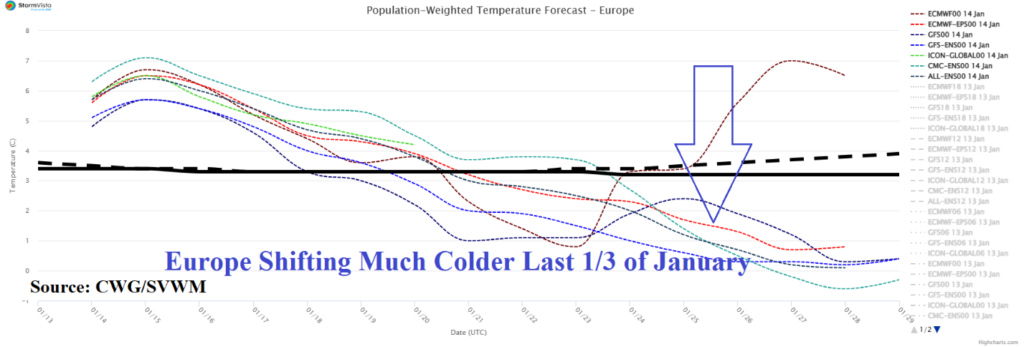

Climate Impact Company Daily Feature
Issued: Wednesday, January 14, 2026
Highlight: Developing and strengthening negative arctic oscillation to produce cold effects most of northern hemisphere last third of January.
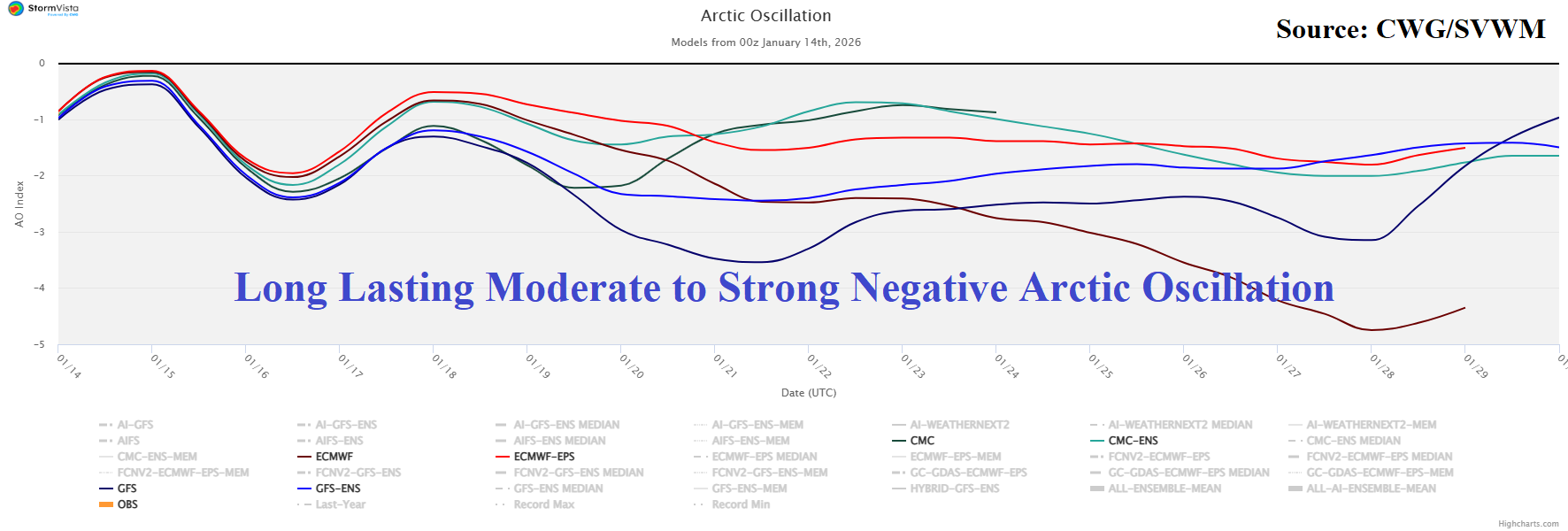
Fig. 1: The latest 15-day arctic oscillation forecast indicates a long duration moderate to strong signature.
Discussion: The updated 15-day arctic oscillation (AO) forecast maintains a moderate to strong negative phase for the remainder of January (Fig. 1) eventually causing cold weather in each sector of the mid-latitude northern hemisphere. In Europe, short-term mild climate steadily fades into the deep freeze the last third of January (Fig. 2). The 8-14/11-15-day cold temperature threshold forecast indicates <0F risk from Ukraine to Poland. The PJM Sector of the U.S. stretches from Chicago to Washington. In this high population stretch, the evolving -AO pattern causes cold spikes in the latest 15-day outlook centered on the middle of next week and again late month (Fig. 3). The cold spikes include 0F risk for Chicago. The first cold shot of the winter season in China is projected for mid-to-late next week (Fig. 4). Russia stays in the deep freeze for the remainder of January (Fig. 5).
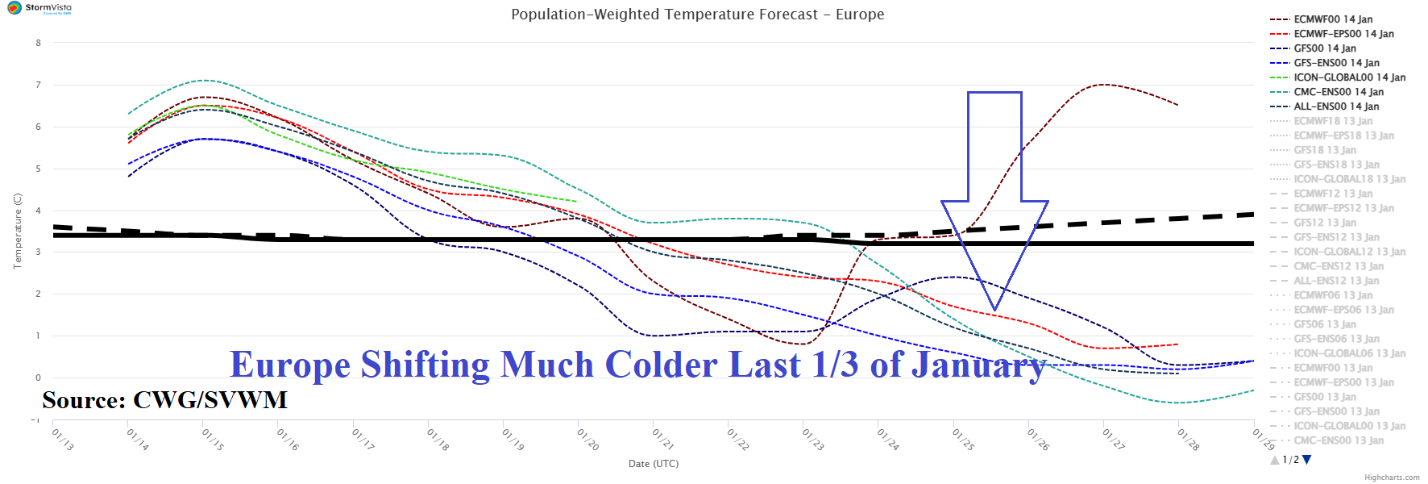
Fig. 2: The 15-day population weight forecast for Europe.

Fig. 3: The 15-day population weight forecast for the PJM Sector.
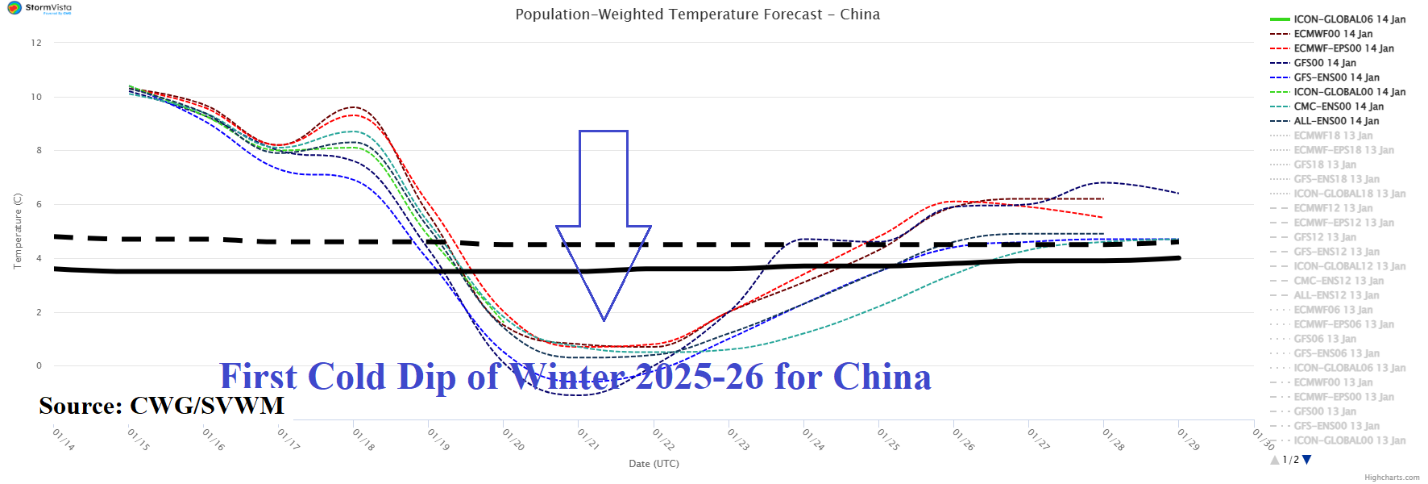
Fig. 4: The 15-day population weight forecast for China.
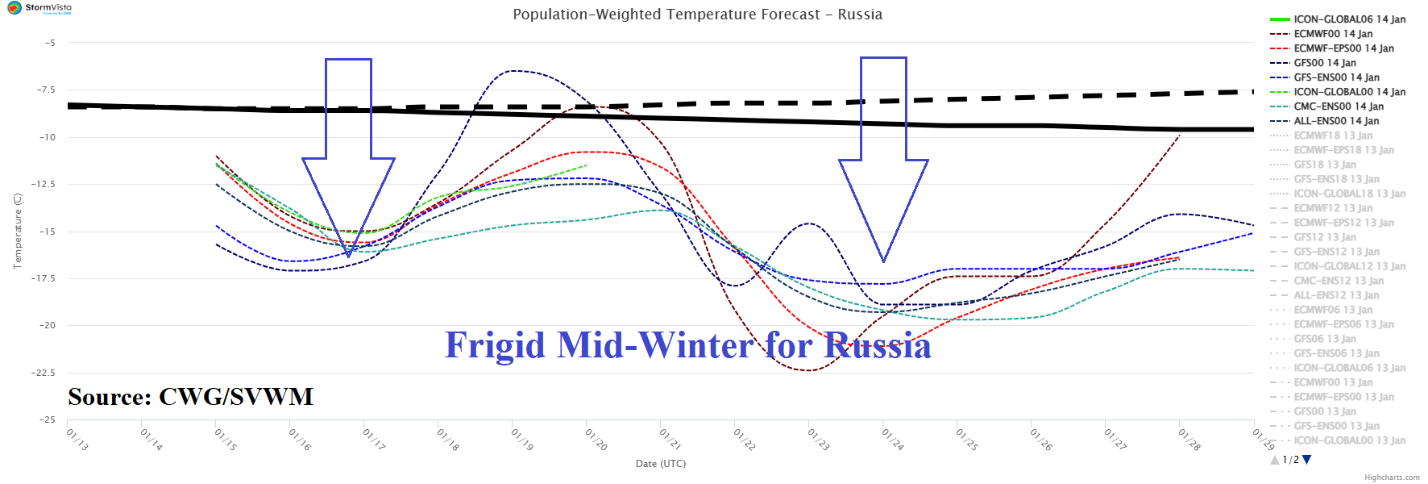
Fig. 5: The 15-day population weight forecast for Russia.