02/19/2026, 9:19 am EST

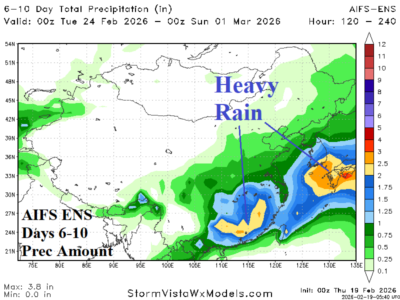
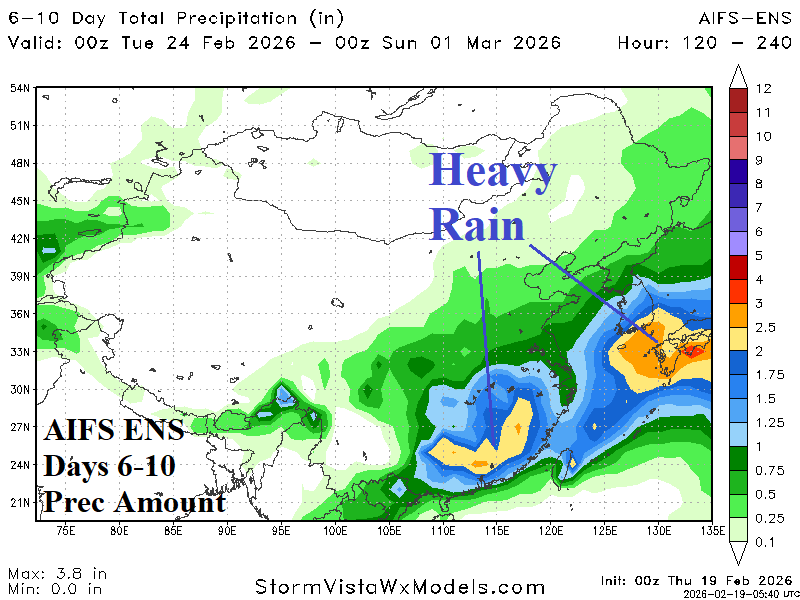
Heavy Rain Followed by Cold Outbreak in China Late FEB/Early MAR

AIFS ENS indicates an arctic air mass loitering across Siberia in the 6-10-day period while an upper trough embedded in the subtropical jet stream is sufficiently intense to bring heavy rain to East China and Japan. After the rain the cold air mass shifts to China although moderating.
02/19/2026, 9:16 am EST

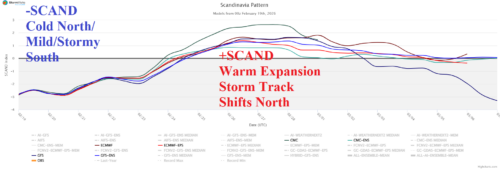
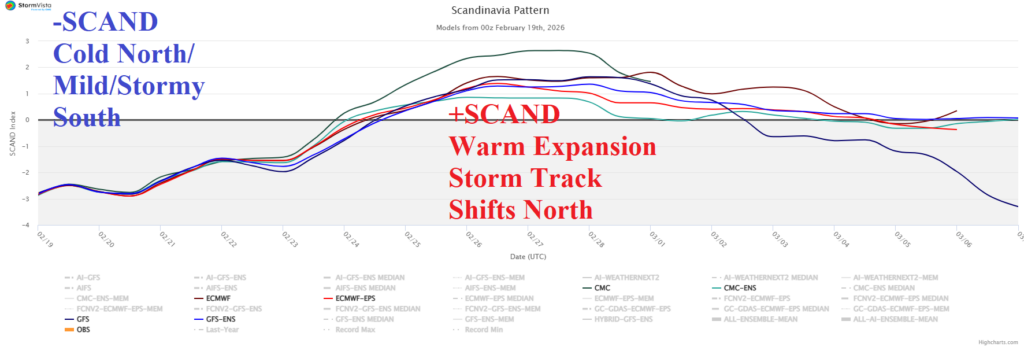
Scandinavia Index Reverses, Allows Europe to Warm/Turn Drier

The Scandinavia Index was negative during February and remains negative for the weekend. However, the -SCAND reverses to positive phase later next week causing the pattern to change from cold across the North and mild/stormy South so far in February to somewhat milder and drier for the southern half of Europe while cold eases in the North heading into March.
02/18/2026, 8:47 am EST

Aerial Coverage of Great Lakes Ice and FEB/MAR/APR Temperature

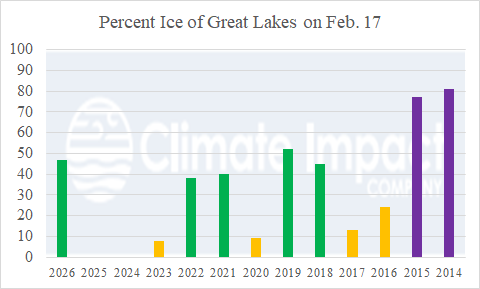
As of February 17th, the aerial coverage of ice across the Great Lakes is 47%. Since 2014, the current aerial coverage of Great Lakes ice is about average. When Great Lakes ice has been above average as observed during the 2013-14/2014-15 polar vortex winter seasons, FEB/MAR/APR climate across North America was biased colder than normal. When ice is at moderate levels similar with 2026, a cold bias during FEB/MAR/APR appears to the west of the Great Lakes region
02/17/2026, 8:36 am EST

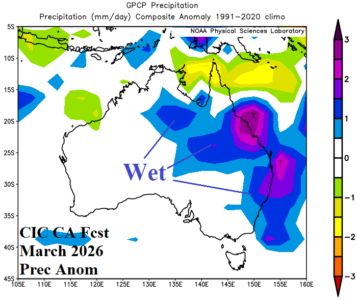
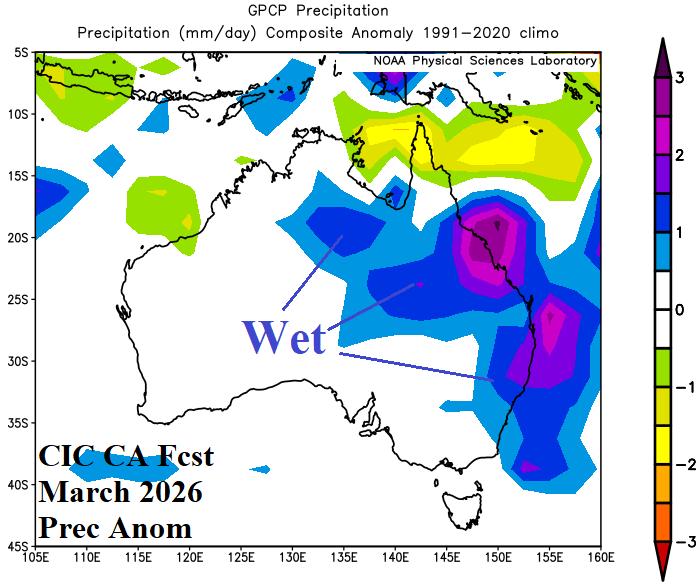
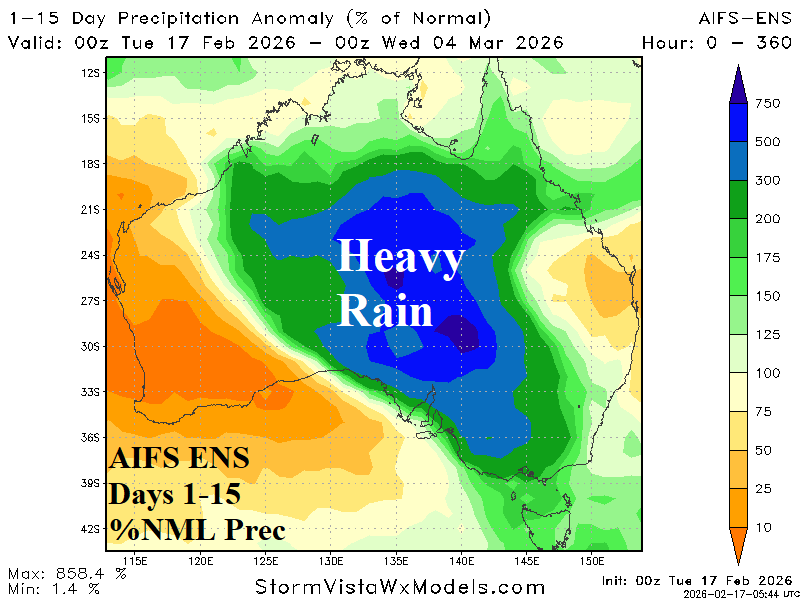
Widening/Intensifying Australia Rainfall

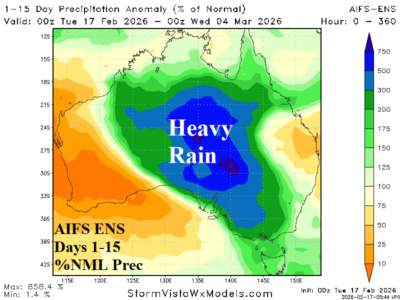
The Australia outlook is prohibitively wet for most of the continent. AI models are utilized although dynamic models are agreeable to possible extreme rainfall centered on East-central to South-central Australia over the next 15 days. No change in the 16-20-day forecast as the wet regime continues.
02/16/2026, 12:02 pm EST

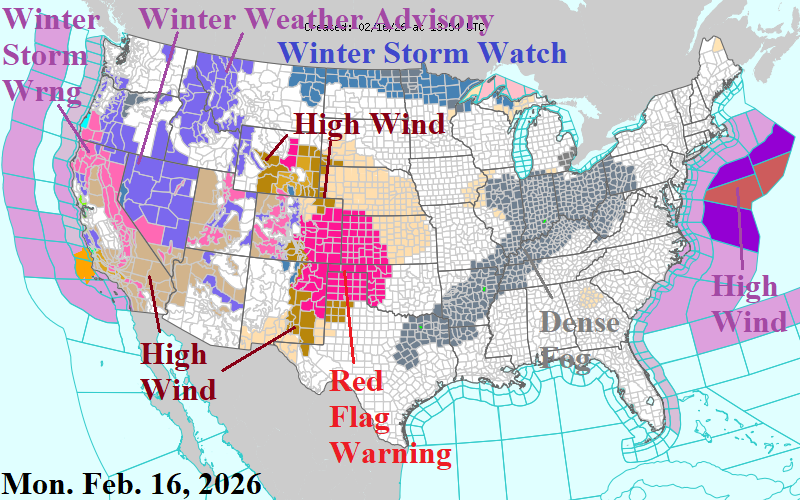
U.S. Weather Pattern Features Significant Increase in Hazards

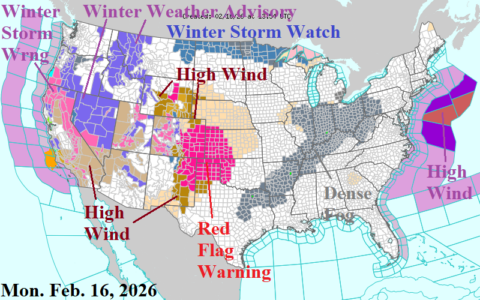
The U.S. weather pattern shifts to problematic with a large array of hazards focused on the western half of the U.S. Featured are widespread wind and snow advisories/watch/warnings including a Red Flag Warning across much of the western Great Plains. Widespread dense fog stretches from Dallas to Cleveland. An offshore storm brings high wind near the Northeast U.S. Corridor.
02/16/2026, 11:52 am EST

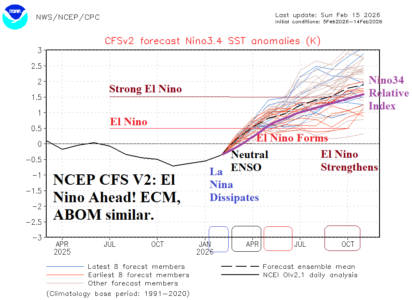
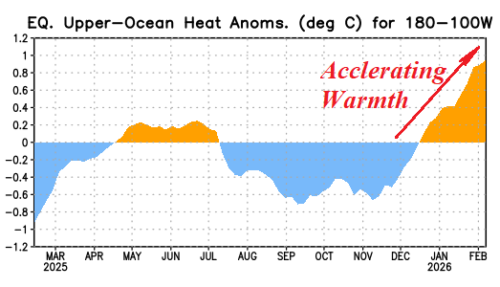
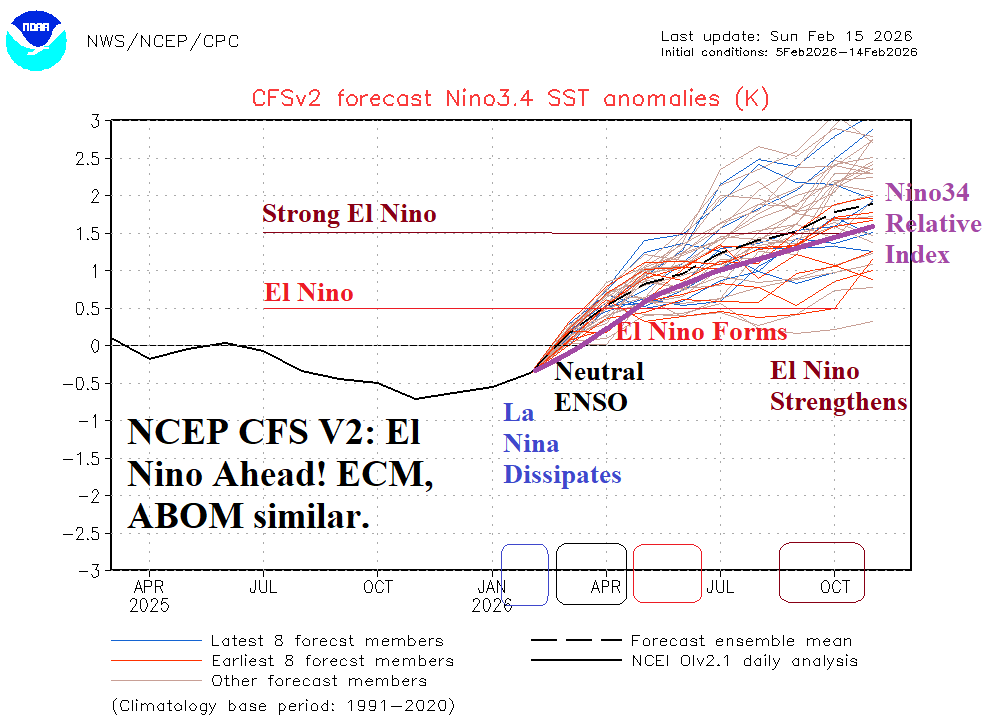
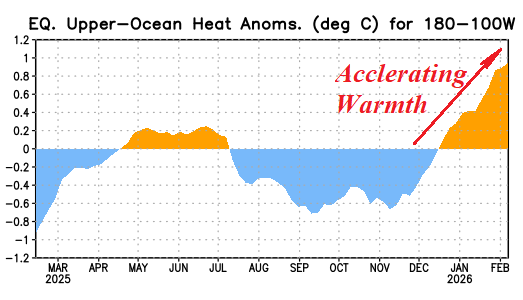
Oceanic La Nina Ends, Subsurface Warming Validates El Nino Forecasts for Mid-year. But! Atmosphere Not Responding Yet.

The subsurface eastern equatorial Pacific continues too steadily warm. A Kelvin Wave moving east across the Dateline during early December reached waters off northwest South America recently while a second Kelvin Wave emerged near and east of the Dateline and is drifting eastward. The atmosphere remains slow to respond as southern oscillation index (SOI) stays positive and 15-day forecasts maintain the positive phase.
02/13/2026, 5:55 am EST

Support To Keep U.S. Warm Increasing; Comments on New NOAA RONI Index

GFS indicates a progressive MJO toward the Dateline in the 8-14/11-15-day period. If so, ongoing U.S. warmth continues and could become stronger. Yesterday, NOAA introduced the Relative Operational Nino Index (RONI) which provides a new Nino34 index accounting for the historical general warming of the global tropics. But! Does this new index effectively identify ENSO pattern change and intensity?
02/12/2026, 9:29 am EST

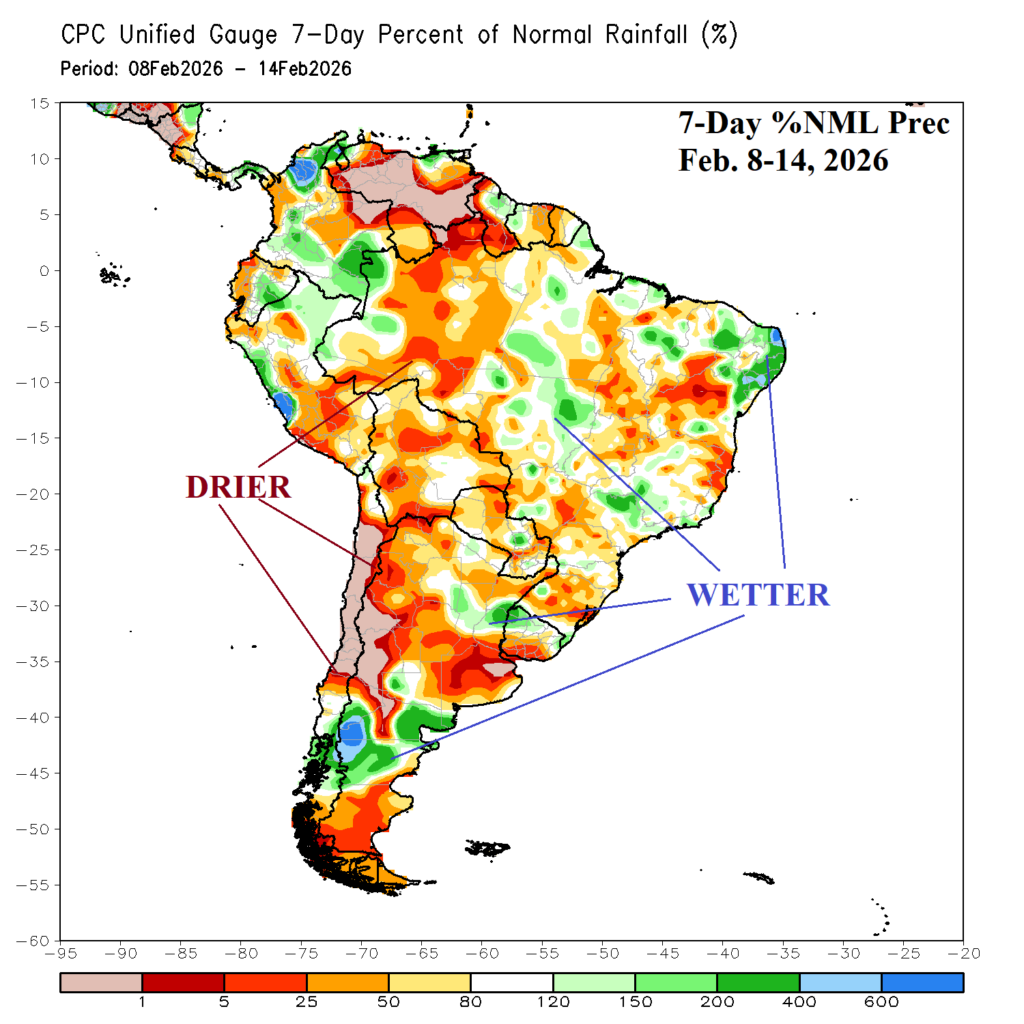
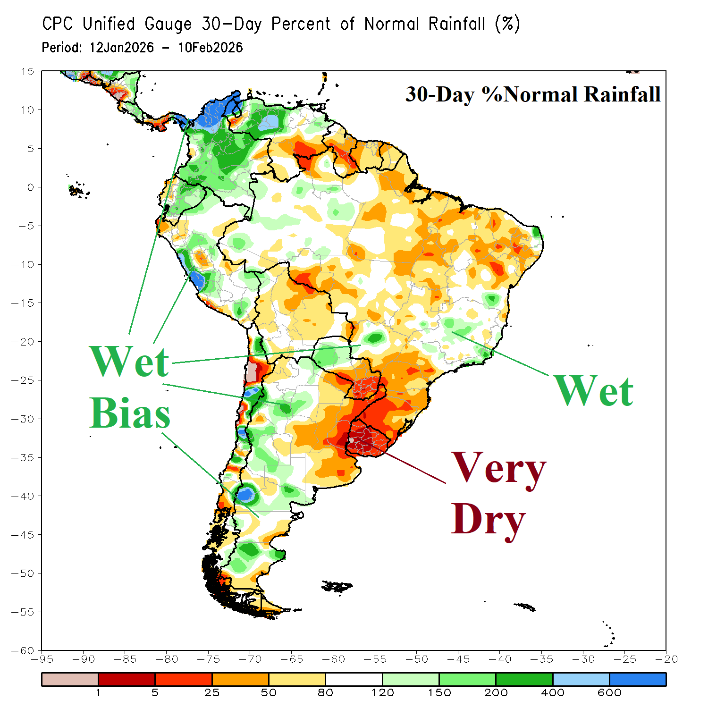
Based On 30-Day/7-Day Rainfall Observations, Least Wet CMC ENS Preferred Forecasting Argentina/Brazil Rainfall

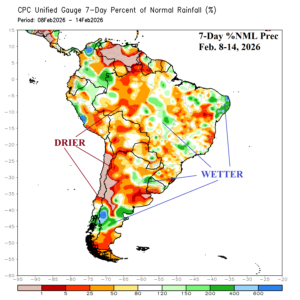
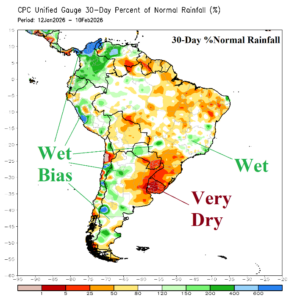
The 30-day percent of normal rainfall observations identify a steady very dry signature centered on Uruguay and vicinity with a patchy wet bias across west and south portions of Argentina plus East Brazil. The 7-day observations are drier except wetter Central Argentina, Northeast Brazil, and parts of Brazil due east of Paraguay.
02/11/2026, 12:54 pm EST

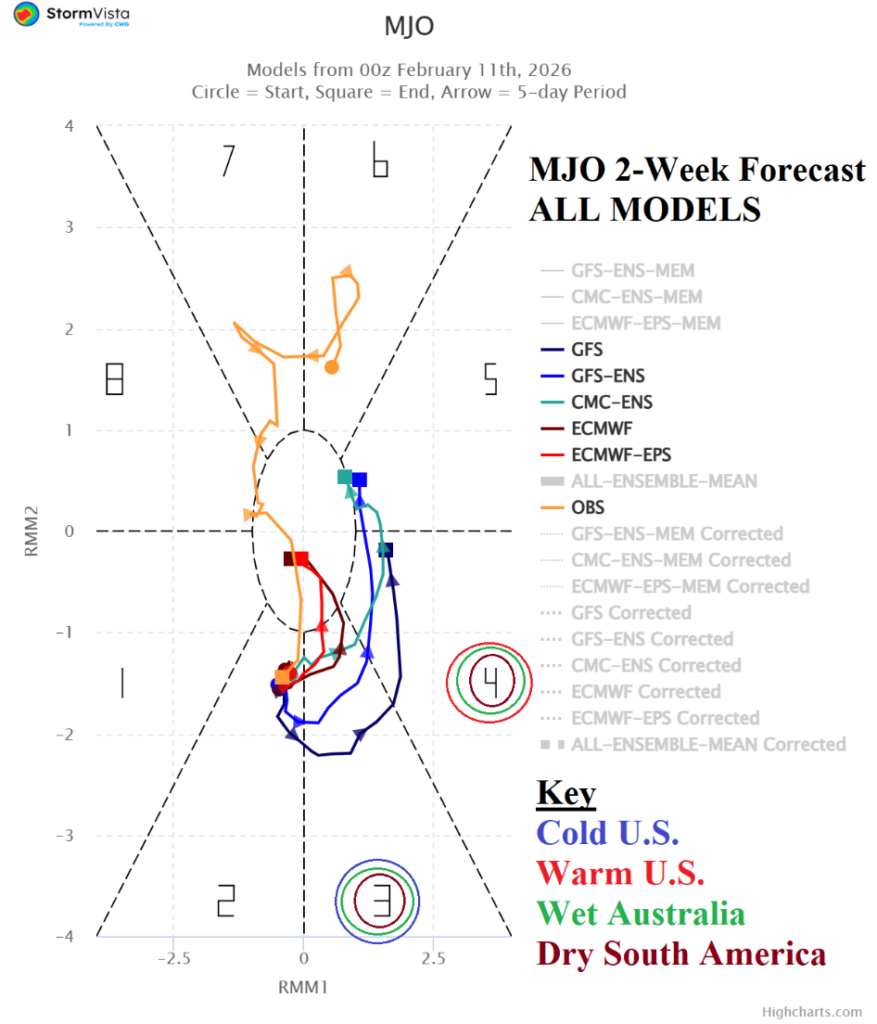
MJO Strengthens, Influences Australia/South America Climate

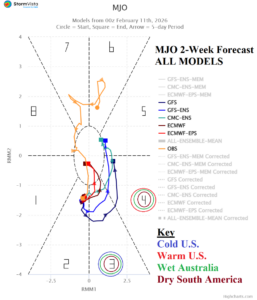
The Madden Julian oscillation (MJO) has been active and a key contributor to climate patterns of the past several months. The MJO trend continues through mid-to-late February. Models indicate a strengthening phase_3 (East Indian Ocean/West Maritime Continent) over the next 10 days shifting east to phase_4 (Eastern Maritime Continent) in the 11-15-day period.