03/19/2025, 8:37 am EDT

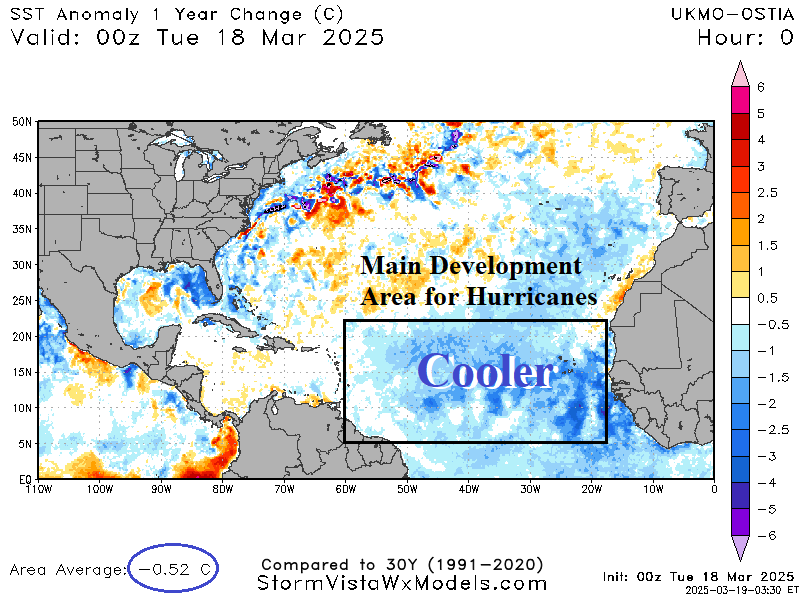
North Atlantic Basin is Still Warmer Than Normal but Cooler Than 1 Year Ago

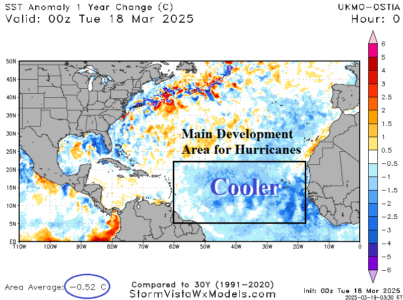
The North Atlantic basin remains warmer than normal but not as warm as one year ago. The main development region (MDR) has cooled to near normal. A marine heatwave in the subtropical North Atlantic remains but has weakened while very warm SSTA continue in the Caribbean Sea and parts of the Gulf of Mexico.
03/19/2025, 8:35 am EDT

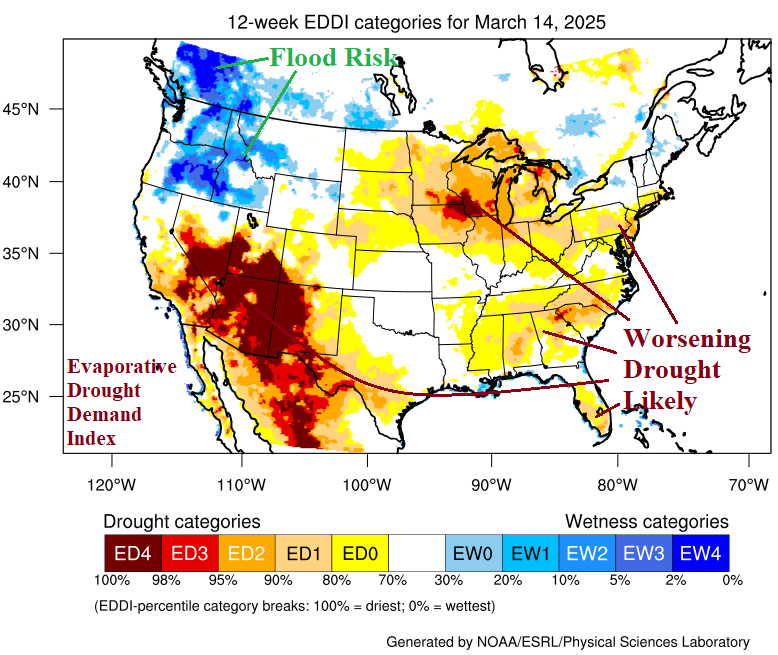
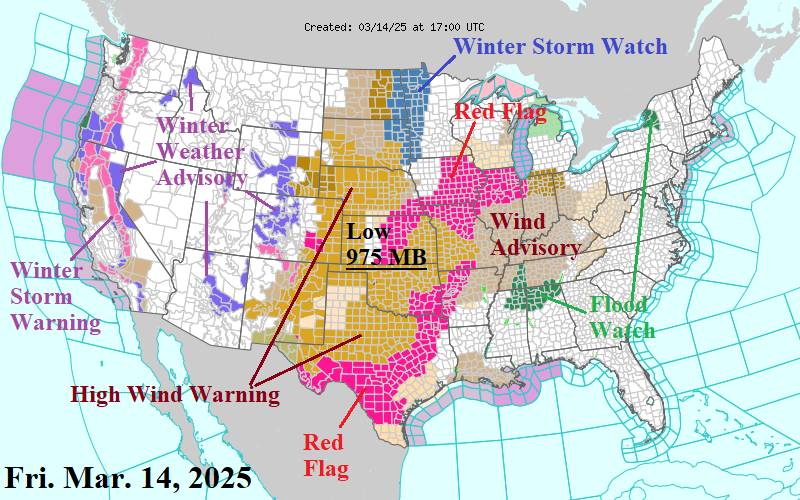
Focused on Dry/Drought Threat in U.S.

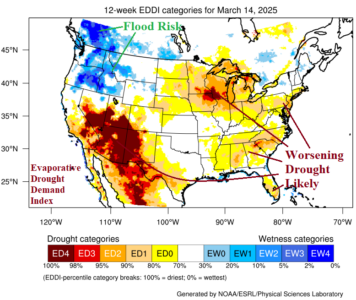
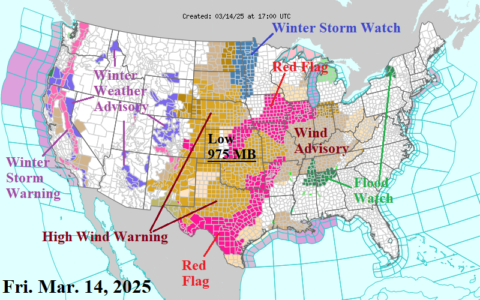
A gigantic swath of high wind and attendant Red Flag Warnings are issued this morning extending from the Great Plains and Texas to the Ohio and Tennessee Valley(s). The expansive high wind event is extremely effective at drying soil conditions. The evaporative drought demand index (EDDI) is highlighting the Midwest, Southeast, and Southwest as areas of potential drought development or strengthening of existing drought.
03/18/2025, 2:55 pm EDT

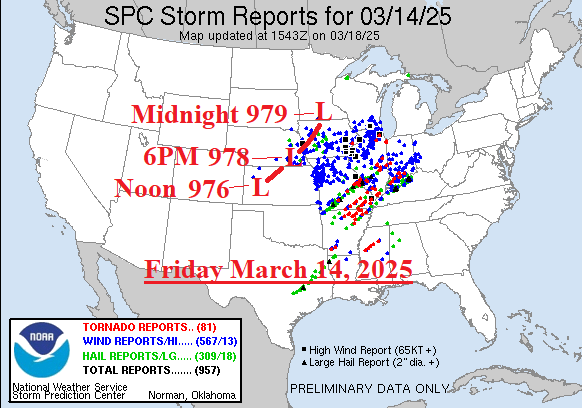
Unusually Low Pressure Fueled the Weekend Severe Weather Outbreak

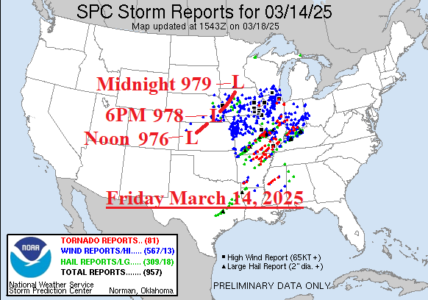
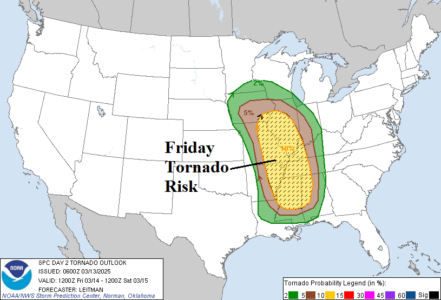
Unusually low pressure fueled a severe weather episode, beginning last Friday (Mar. 14) and continuing through the weekend (Mar. 15-16). On Friday, the storm center travelled northeastward from southwest Kansas to southern Minnesota with surface pressure between 976 and 979 MB. On Friday, streaks of hostile weather were observed from Kansas City to Chicago, St. Louis to Dayton, and near Little Rock to Cincinnati.
03/18/2025, 4:21 am EDT

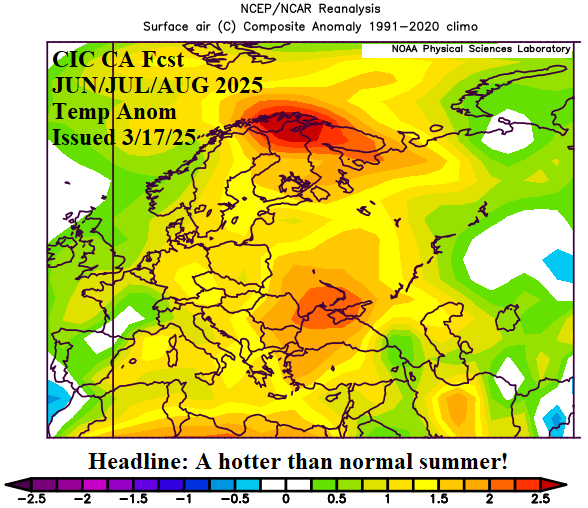
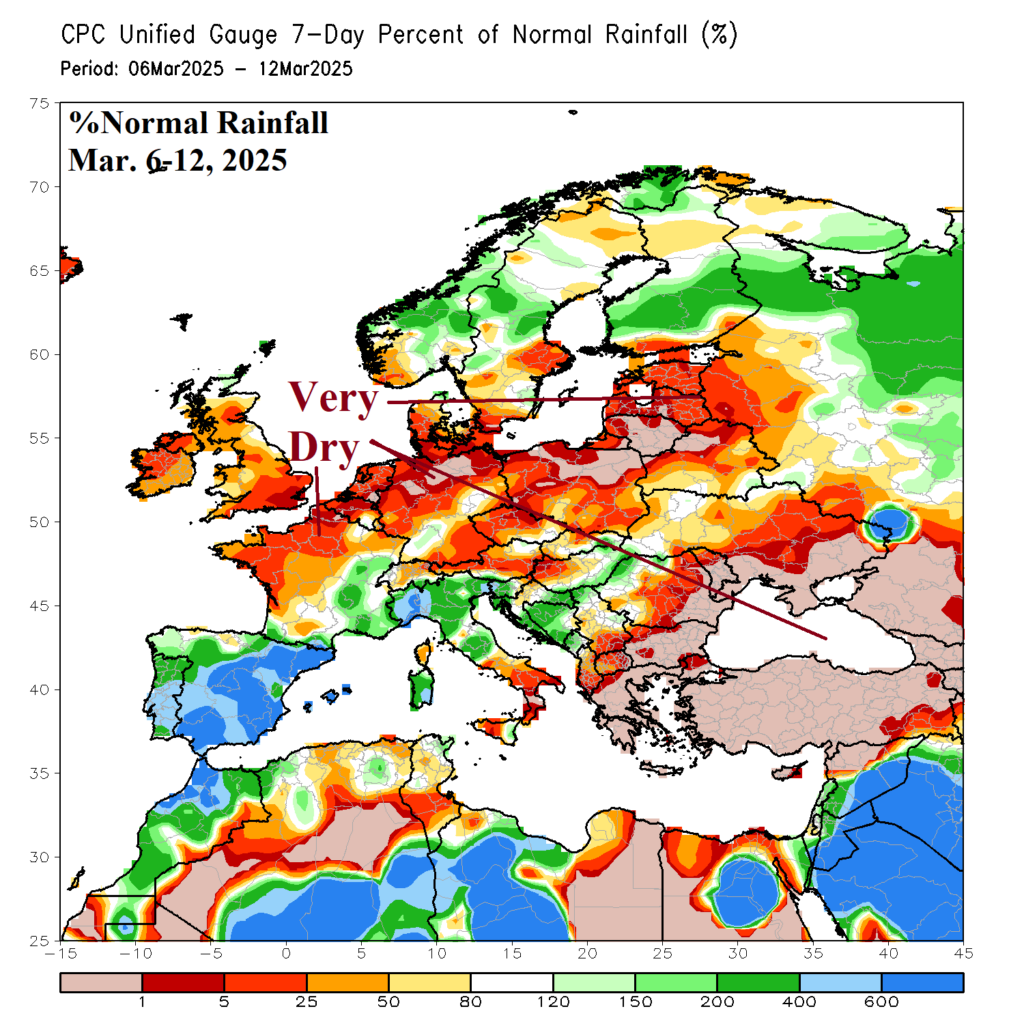
Drought Expansion Likely in Europe to the Black Sea Region for the 2025 Warm Season

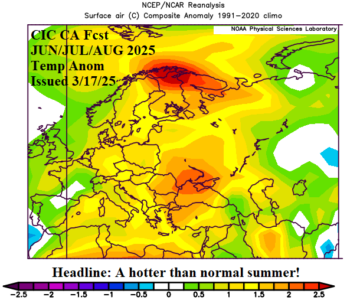
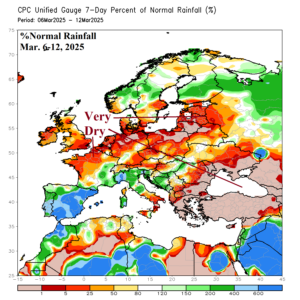
A primary concern is whether presence of dry-to-drought conditions across the eastern half of Europe to Southwest Russia and the Black Sea region will worsen mid-to-late spring and summer. The outlooks support intensification as the presence of upper-level ridging to warm and dry this region well-supported by the correlating SSTA forecasts.
03/17/2025, 12:13 pm EDT

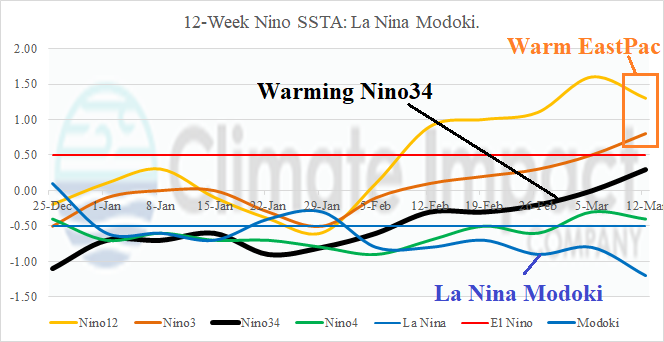
For Now, La Nina Modoki Strengthens

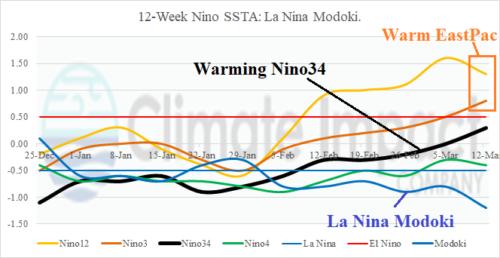
The Modoki index continues to strengthen as La Nina characteristics persist near the Dateline while warming in the eastern equatorial Pacific is dramatic. Currently, one of the strongest La Nina Modoki episodes on record is strengthening.
03/16/2025, 9:32 am EDT

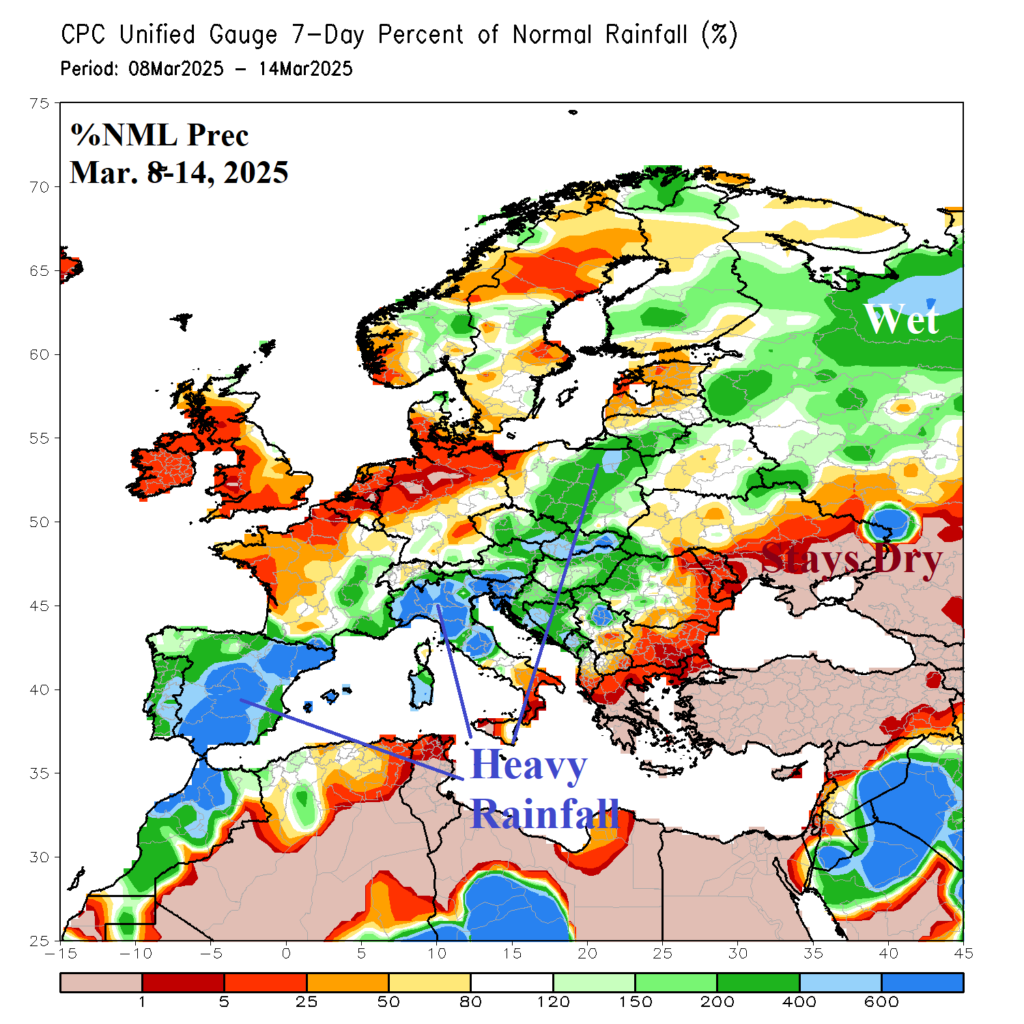
Marine Heatwaves Influence on Europe Climate

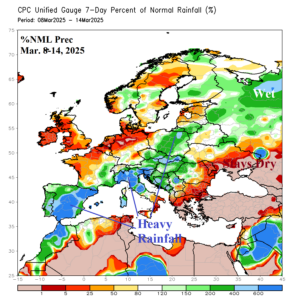
A low-pressure system over Southwest Europe budged eastward the past couple days inducing a moist southerly flow into South and East Europe. The moist flow is enhanced by above normal moisture in the lower atmosphere propelled by the long-standing marine heatwave across the Mediterranean Sea. The heavy rain has caused flooding from Spain to Italy.
03/14/2025, 3:40 pm EDT

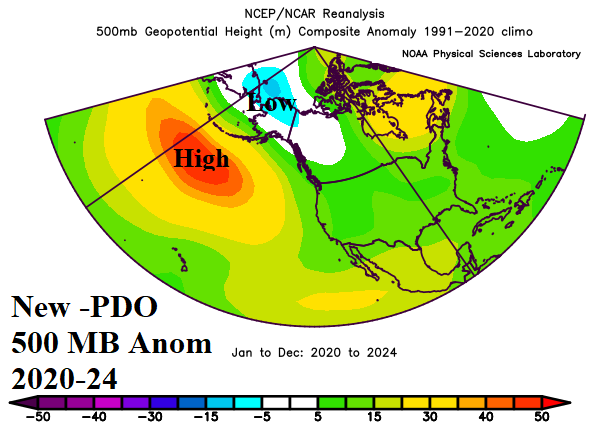
New Vs. Old Pacific Decadal Oscillation

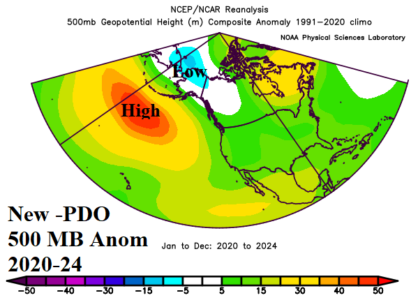
The influence of the Pacific decadal oscillation on Southwest Canada/Northwest U.S. climate has changed due to the warming of the North Pacific Ocean. Cool phase PDO events are now much warmer and have eliminated the previous cool/wet bias to the Southwest Canada/Northwest U.S. climate in favor of warmer and drier regimes.
03/13/2025, 8:33 am EDT

Severe Weather/Synoptic Scale Widespread Damaging Wind Ahead for U.S. Weekend

A storm system with low pressure in the 970's guarantees widespread damaging synoptic scale wind and widespread severe weather with impressive outbreaks for the eastern half of the U.S. beginning tomorrow in the Central/East-central U.S. and lasting through Sunday passing the Atlantic Seaboard.
03/11/2025, 10:23 am EDT

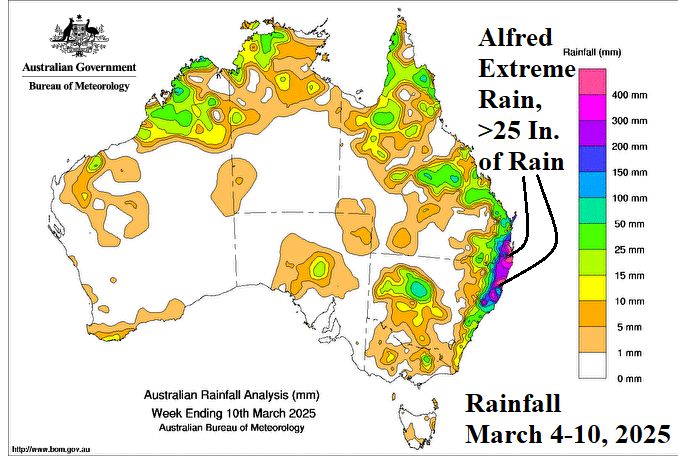
Extreme Rainfall from Alfred; New Wet Pattern Ahead Australia

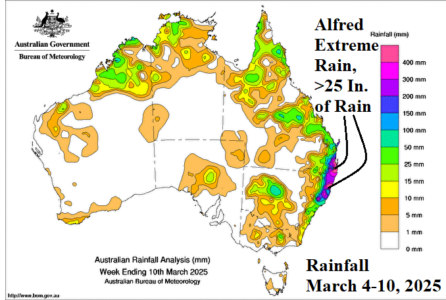
Rainfall amount from former Category-4 Major Hurricane Alfred was widespread >25 inches from far southeast Queensland to coastal northeast New South Wales last week with high spots near 44 inches. The latest forecast indicates a favorable Madden Julian oscillation to cause more widespread rains the second half of March!
03/11/2025, 9:07 am EDT

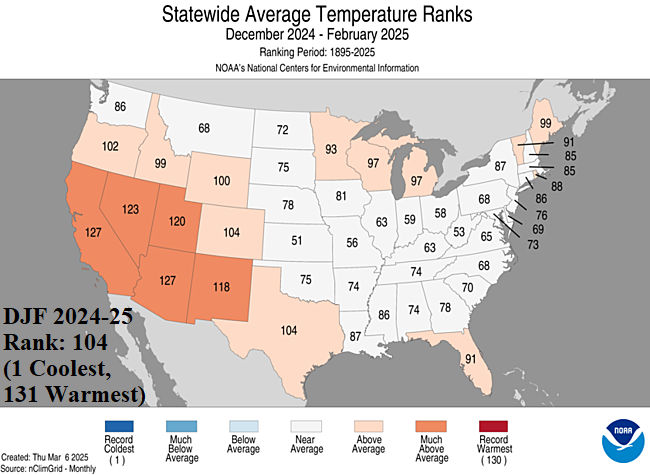
February 2025 and DEC/JAN/FEB 2024-25 U.S. State Temperature and Precipitation Rankings

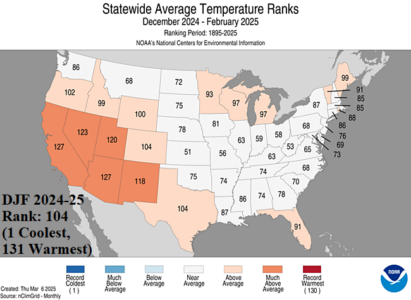
Meteorological winter 2024-25 ranked 28th warmest on record. The warm signature was heavily influenced by the 4th warmest December on record to start meteorological winter. State rankings reveal seasonably cold climate from the Interior Northwest to the East Coast where all states were within normal range. The Upper Midwest and northern New England were marginally mild while the warm region was the Southwest U.S. where California and Arizona observed their 5th warmest winter on record.